
Guitar Dictionary Category
Electric Guitar, Effects & Amplification
What Is an Effects Pedal?
An effects pedal is a floor-operated electronic device that changes, controls or routes a guitar signal. It is also called a stompbox because the player normally switches it on and off with a foot.
Some pedals reshape tone, pitch, dynamics or time. Others perform utility jobs such as tuning, switching, recording loops, balancing signal level or controlling several devices.
Main Pedal Families
- Gain: boost, overdrive, distortion and fuzz.
- Dynamics and filters: compressor, limiter, envelope filter, wah and equalizer.
- Modulation and pitch: chorus, flanger, phaser, vibrato, tremolo, octave and pitch shifting.
- Time-based effects: delay and reverb.
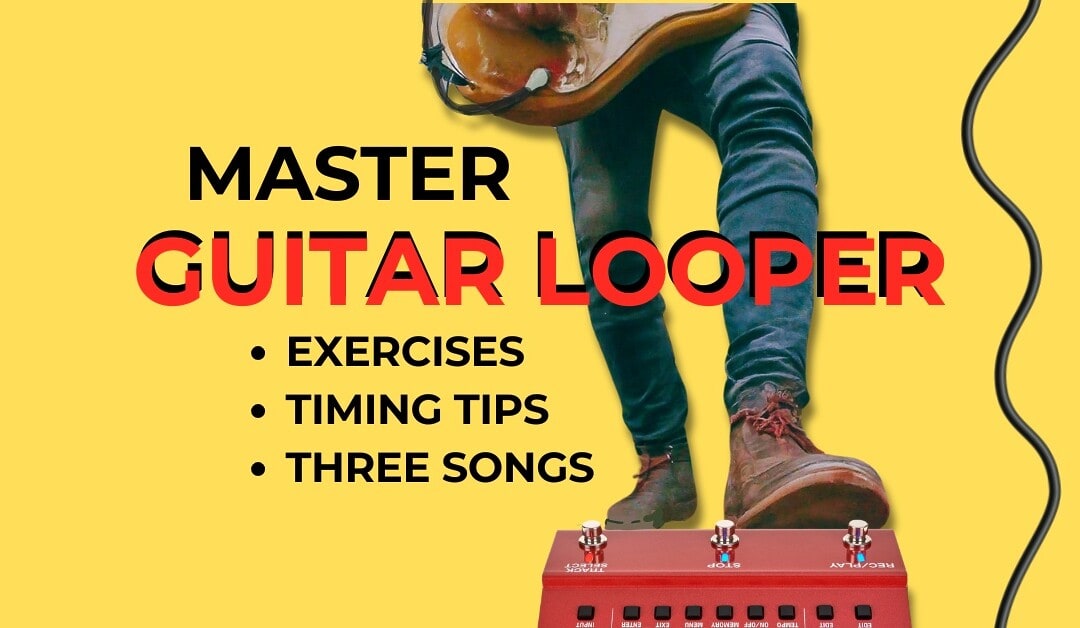
- Recording and utility: looper, tuner, switcher, volume pedal, preamp and noise gate.
A multi-effects processor combines several effect types in one unit. A pedalboard combines separate pedals and their power, cables and switching.
How a Pedal Fits into the Signal Chain
The guitar signal normally enters the pedal’s input and leaves through its output. Pedal order changes the result because each device processes the signal it receives from the devices before it.
There is no single mandatory order. A common starting point is tuner, dynamics or filter, gain, modulation, delay, reverb and looper. Experiment only after you understand what each pedal contributes.
Bypass, Buffers and Power
A bypassed pedal may route the signal through a mechanical-style true-bypass path or through an electronic buffer. A good buffer can help preserve signal through long cables, while too many poorly matched stages can change level or tone.
Use only a power supply with the voltage, polarity and current capacity specified by the manufacturer. Two plugs that physically fit are not necessarily electrically compatible.
Basic Pedal Test
- Set the amplifier clean and moderate in volume.
- Match the pedal’s bypassed and active levels as closely as practical.
- Turn one control at a time.
- Play the same phrase for every comparison.
- Record the result before adding another pedal.
Why Effects Pedals Matter
Effects pedals extend the guitar’s sound, performance control and arranging possibilities. They work best when the player can identify the musical job of each device rather than switching on several effects without hearing their individual contribution.
Kalymi Tip
My looper lessons treat the pedal as an instrument that requires hands-and-feet practice. The same principle applies to every stompbox: learn one control and one reliable switching move before building a complicated board.
With a looper, effects placed before the looper are recorded into that layer. Effects placed after it change the complete playback. Use that difference to separate rhythm, bass and lead layers instead of allowing the loop to become muddy.
Keep a simple written signal-chain map. When a sound changes unexpectedly, bypass one device at a time rather than turning every control.
Related Terms
Learn More
- Looper Guitar Learning Path
- Master the Guitar Looper Pedal
- Top 10 Guitar Looper Pedal Tips
- How to Make a Layered Guitar Loop
- BOSS Effects Pedal Categories
- BOSS Effects Signal-Chain Guide
Reviewed by
Brent C. Robitaille,
music educator and founder of
Kalymi Music.