
• Learning Path
Cigar Box Guitar: The Complete Learning Path
Master the 2-string, 3-string, and 4-string cigar box guitar with this comprehensive curriculum.
From absolute beginner to advanced player across blues, rock, grunge, folk, fingerpicking, country, Celtic, and classical styles.
-
Beginner-to-advanced lessons (start free)
-
Structured books when you want depth
-
Song repertoire + tab + notation
-
2-, 3-, and 4-string all covered
Created and maintained by Brent C. Robitaille
(Kalymi Music) — author of 60+ instructional music books.

Who this is for
Complete beginners who’ve never touched a guitar
Experienced guitarists exploring cigar box guitar
Blues, rock, country, Celtic, or classical players
Anyone who wants to play a fun, accessible instrument
What you’ll be able to do
- Play chords, scales, and complete songs on CBG
- Master slide guitar and fingerpicking techniques
- Play blues, rock, country, Celtic, and classical styles
- Move fluently between 3-string and 4-string instruments
A learning path is a structured sequence of lessons and resources designed to guide you from beginner fundamentals to real songs, styles, and techniques. This path works for 2-, 3-, or 4-string cigar box guitars.
It is especially suited to blues, roots, slide, and fingerstyle players who want a clear progression instead of scattered lessons.
Start with free lessons, add books for depth when ready.
Still choosing an instrument?
Is Cigar Box Guitar the Right First Instrument for You?
Cigar box guitar offers a quick route into blues riffs, open tunings, rhythm, and slide. Compare it with guitar, ukulele, mandolin, and fiddle before you begin.
Start here (20 minutes)
This free comprehensive lesson covers everything you need to know to start playing today. If you do only one thing, do this.
Your first 20 minutes: Tune, play, and make music
The cornerstone guide includes a brand new “Your First 20 Minutes” section that walks you through tuning your CBG, playing your first chord, learning a simple riff, and trying slide technique. Everything you need to start making music today.
Do this now
- Read “Your First 20 Minutes: Start Here” on the CBG guide
- Tune your CBG to GDG (3-string) or GDGB (4-string)
- Learn to read CBG tab with the free Cigar Box Guitar Tabs guide
- Play your first open G chord (strum all strings open)
- Learn the open-to-3rd fret riff
- (Optional) Try basic slide technique if you have a slide
Finish line for Step 1
You can tune your CBG, play an open G chord, play the open-to-3rd fret riff, and understand how slide positioning works. You’re officially playing cigar box guitar!
Step 1 materials
→ Complete guide: How to Play Cigar Box Guitar
Start with the “Your First 20 Minutes: Start Here” section at the top.
→ Cigar Box Guitar Tabs: Learn to Read Tab and Play Free Songs
Read 3-string and 4-string tab, then explore free songs, riffs, printable sheets, interactive tools, videos, and audio.
Get new CBG lessons & books
Receive free lessons, new arrangements, and updates when new books are released. No spam—just quality cigar box guitar content.
How to use this page
- Complete beginners: Start at Step 1 and work through in order.
- Experienced players: Use “Jump to a Style.”
- Book buyers: Browse the Resources section by style.
- Expand step details only when you’re ready to dive deeper.
Most players begin with 3-string cigar box guitar, then move into riffs, slide technique, rhythm playing, and later into 4-string variations if needed.
Wait, why cigar box guitar?
CBG is accessible, fun, and deeply rooted in American music history. With 3 or 4 strings, it’s easier to learn than standard guitar but offers endless musical possibilities.
Already know the basics?
If you can already play chords and tune your CBG, jump directly to your interest:
Common questions before starting
Not sure where to start? Have a look at the most typical questions beginners have:
Blues & Jazz Curriculum
12-bar blues, slide, riffs, jazz & blues, chords, scales and more
Folk & Singer-Songwriter
Neil Young, Fleetwood Mac, Stapleton, Dylan
Country Classics
Classic country songs & techniques
Classical & Holiday
Classical music for CBG, Holiday favourites
Rock & Grunge
Nirvana, Pearl Jam, Beatles, Hendrix, Zeppelin, Floyd
Fingerpicking Technique
Travis picking, patterns, blues fingerstyle, and techniques.
Celtic & Irish Tunes
Irish, Scottish and a selection of Celtic music
→ Browse Complete Library
All books, lessons & sheet music
Quick answers: Most beginners start with 3-string CBG, reading music is optional, and a slide is a stylistic choice rather than a requirement.
Should I start with 3-string or 4-string?
3-string (GDG) is simpler and perfect for blues and slide. 4-string (GDGB) offers more chord options and is closer to standard guitar. Both are fully supported in this curriculum.
Do I need to read music?
No. Cigar box guitar tablature shows you which string and fret to play. Books also include standard notation for those who read music. Start with the free Cigar Box Guitar Tabs guide to learn 3-string and 4-string tab step by step.
Can I play CBG without a slide?
Absolutely! CBG works beautifully with fretted playing. Many pieces in the curriculum don’t use slide at all. Set your action higher for slide, lower for fretted playing.
Which book should I start with?
For players focused on country and bluegrass, the Cigar Box Guitar Country & Bluegrass Method provides a progressive three-book path from foundational rhythm, chords and riffs through lead playing, jam skills and advanced performance.
Players who want an additional goal can also work toward the optional Cigar Box Guitar Grade 1 assessment through Kalymi Music Assessments. The assessment is separate from the Method and is not required to use the books or course.
Do I need to buy books to learn?
No. The 30 free lessons cover fundamentals through the intermediate level. Books provide a deeper repertoire and advanced techniques for serious study and improvement.
What's included with the books?
Most books include free audio and video tracks online on their product page. You get tablature, notation, chord diagrams, and detailed instructions. Some bundled audio tracks are also at brentrobitaille.com/download-audio.
Where to Go Next on Cigar Box Guitar
If you’ve completed the basics, this section lays out the next stages of learning cigar box guitar. From chord vocabulary and rhythm to full songs, styles, and advanced techniques.
Each step includes focused lessons, repertoire, and supporting materials so you always know what to work on next.
Step 2: Build your chord vocabulary
What to do
- Learn major shapes and minor shapes.
- Learn the movable system so you can play in any key.
- Add dominant 7ths for blues + roots.
- Practice real progressions (not random chords).
- Add a basic strumming foundation right now (this is what makes chords usable).
Milestone
You can play common progressions in any key using major, minor, and dominant 7th chords, with a basic groove.
Materials (start here)
- 10 Major Chord Shapes (3- & 4-String)
- 10 Minor Chord Shapes
- Movable Chord System (Play in Every Key)
- Dominant 7th Chords for Blues
- 5 Popular Chord Progressions (Real Songs)
Strumming (make the chords musical)
Books & visual references (optional, high value)
Step 3: Master blues and slide technique
What to do
- Play a clean 12-bar and understand the form.
- Learn slide basics + vibrato — the sound lives here.
- Build a riff vocabulary, both fretted and slide.
- Try minor blues with “The Thrill Is Gone” and one tuning change with “Hide Away.”
- Optional: explore jazz blues if you want richer harmony.
Milestone
You can play a 12-bar, add slide phrasing, and improvise short blues lines that resolve.
Core lessons
- Cigar Box Guitar Tabs Hub: Blues & Jazz Riffs, Videos and Audio
- Blues Jam #1 + Slide Technique
- Blues Jam #2
- 25 Fingerstyle Roots Blues Riffs (PDF Tab)
- The Thrill Is Gone (Minor Blues)
- Open E Tuning + Hide Away
- 12-Bar Jazz Blues
Slide practice video drills
Extra repertoire
- The Thrill Is Gone (Video)
- Crossroads (Video)
- Hide Away (Video)
- I’m Your Hoochie Coochie Man (Video)
Books & companion resources
- Cigar Box Guitar Blues Overload — complete 3-string GDG blues method with tunes, riffs, chord progressions, blues scales, walking bass, strumming, fingerstyle, slide work, and chord charts.
- Blues Overload Companion Page — audio downloads, backing tracks, video demonstrations, and book-section page references for the Blues Overload book.
- Jazz & Blues Unlimited Book 1 (3-String)
- Jazz & Blues Unlimited Book 1 (4-String)
Quick note: After you finish these, scroll down to the full Resources section for more songs, tabs, and practice material.
Step 4: Rock & grunge classics
Rock riffs translate perfectly to CBG. This step is about tight picking, clean rhythm, and a repertoire of recognizable riffs people actually want to play.
What to do
- Start with 10 riff “wins” (grunge + Beatles).
- Learn one Hendrix tune and one classic rock groove.
- Add 2–3 more iconic riffs to build your set list.
Milestone
You can play a short set of rock/grunge riffs with solid timing and clean articulation.
Core lessons (site + video)
- Top 10 Grunge Riffs (Lesson)
- Top 10 Grunge Riffs (Video)
- Top 10 Beatles Riffs (Video)
- Purple Haze (Lesson)
- Purple Haze (Video)
- Wicked Game (Lesson)
- Wicked Game (Video)
More rock repertoire (pick 2–4)
- Back in Black (AC/DC)
- Another Brick in the Wall (Pink Floyd)
- Gold on the Ceiling (Black Keys)
- Sunshine of Your Love (Cream)
- Creep (Radiohead)
Book (riff vocabulary)
Step 5: Folk & singer-songwriter classics
Folk and singer-songwriter material is where CBG becomes a “real instrument” for accompanying songs. This step focuses on steady rhythm, clean chord changes, and recognizable melodies.
What to do
- Pick 3–5 songs and get them performance-ready.
- Use one consistent strum pattern per song (don’t overcomplicate it).
- Optional: add one melody-based instrumental (great for confidence).
Milestone
You can play and/or accompany several complete songs with consistent rhythm.
Core repertoire (videos)
- Hey Hey, My My (Neil Young)
- Albatross (Fleetwood Mac)
- Hallelujah (Leonard Cohen)
- Blackbird (The Beatles)
- Tennessee Whiskey (Chris Stapleton)
- Whiskey Glasses (Morgan Wallen)
- Scarborough Fair
Strumming help (keep it simple)
Step 6: Fingerpicking technique
Fingerpicking turns CBG into a full arrangement instrument. This step is about steady thumb time, clean pattern control, and a few strong pieces that make the technique feel musical.
What to do
- Learn one main pattern and make it automatic.
- Add a second pattern or a variation (same groove, different accents).
- Apply it to 12-bar blues and one “song-style” piece.
Milestone
You can fingerpick a complete piece with steady time and clear string-to-string control.
Core lesson (site)
Fingerpicking videos (do these in order)
- Fingerpicking Lesson (3-String Pattern 1)
- Fingerpicking Lesson (4-String Pattern 1)
- 4-String Fingerpicking: 12 Bar Blues
- Fingerpicking Jam #4
Riffs & application (pick 1–2)
Optional: slide/fingerstyle crossover
Step 7: Country classics
What to do
- Learn one core country strum and make it automatic.
- Practise clean chord changes while maintaining steady time.
- Learn 3–5 complete songs, beginning with rhythm before adding hooks or fills.
- Add one short country or bluegrass riff between chord phrases.
- Optional: add one sing-along standard for informal performances, jams or gigs.
Milestone
You can play complete country songs with steady time, clean chord changes and at least one simple lead hook or connecting riff.
Core lesson
Strumming
Repertoire: choose 4–7 pieces
- Thank God I’m a Country Boy
- Tennessee Waltz
- The Long Black Veil
- I Walk the Line
- Oh, Pretty Woman
- Will the Circle Be Unbroken
- Pipeline
Country & Bluegrass Path
Cigar Box Guitar Country & Bluegrass Method
The Cigar Box Guitar Country & Bluegrass Method is a progressive three-book teaching series for 3-string cigar box guitar in Open G (G–D–G). It develops rhythm, chords, riffs, backup, flatpicking, lead playing and practical jam repertoire step by step.
- Book 1: Foundations — Chords, Rhythm, Riffs and First Solos for 3-String Open G
- Book 2: Lead Playing & Jam Skills — Flatpicking, Crosspicking, Improvisation and Backup for 3-String Open G
- Book 3: Advanced Lead & Performance — Slide, Harmonized Solos, Solo Arrangements and a Complete Set List for 3-String Open G
Book 1: Foundations is in final production. A guided Foundations video course is also in production and teaches the same Foundations skills in a different format. The book and course can be used separately or together.
Players who want an additional goal can also work toward the optional Grade 1 assessment. Book 1 develops many of the same core skills, but taking an assessment is not required to use the Method.
Step 8: Celtic & Irish tunes
Celtic and old-time music works exceptionally well on cigar box guitar. The tuning favours drones, melodies sit naturally on the fretboard, but a little challenging with GDG or GDGB tuning.
What to do
- Learn a small set of core melodies and play them cleanly.
- Lock in a steady rhythm before adding ornamentation.
- Use Irish and waltz-style strumming where appropriate.
- Always start slow and get the fingering under your belt.
- I often write the fingering in the books, but add your own to help memorize the tunes.
Milestone
You can play several traditional-style tunes with clear melody, steady rhythm, and appropriate jig (6/8) or reel (4/4) strum feel.
Core repertoire (videos)
Irish & Celtic tunes (videos)
- Kesh Jig
- Auld Lang Syne
- Connaughtman’s Rambles
- Danny Boy
- The Wind That Shakes the Barley
- O’Carolan’s Hewlett
Strumming & feel (supporting technique)
Celtic books (structured curriculum)
Step 9: Classical, Themes & Holiday
Classical and holiday pieces build control and give you great “play-for-people” repertoire. This step is mostly about clean melody, smooth chord changes, and simple performance polish.
What to do
- Learn 2–3 classical-style pieces for phrasing and control.
- Add 2–4 holiday songs (easy wins, great for sharing).
- Optional: add one recognizable theme tune.
Milestone
You can play several complete pieces cleanly with musical phrasing (not rushed, not sloppy).
Core lessons (site)
Videos
- Spanish Romance
- Midnight John Downland
- What a Wonderful World
- Hawaii Five-O (Theme)
- The Entertainer
- Cigar Box Guitar Christmas Classics
- Greensleeves
- Cigar Box Guitar YouTube Channel (browse)
Books (repertoire library)
2-String Cigar Box Guitar (Diddley Bow Path)
2-string cigar box guitar strips everything down to rhythm, phrasing, and feel. This step is about timing, groove, slide control, and expressive single-string playing.
What to do
- Learn basic 2-string tuning and layout.
- Focus on rhythm-first blues phrasing.
- Use slide sparingly and cleanly.
- Build short riffs instead of long solos.
- Listen and imitate as this style is learned by ear.
Milestone
You can play steady 2-string blues riffs with clean timing, controlled slide, and strong groove.
Core lessons (site)
Video repertoire & listening
- 2-String Blues Riffs (Video)
- Shadow Blues (2-String Feel)
- Muddy’s Blues (Study the Groove)
- Howlin’ Coyote Blues
Books & structured study
Advanced Techniques, Solos & Improvisation
What to do
- Study how strong solos are constructed.
- Improve slide accuracy and vibrato control.
- Connect riffs into longer statements.
- Practice improvisation over real progressions.
- Expand beyond blues without losing feel.
Milestone
You can improvise coherent solos, control slide tone and vibrato, and adapt ideas across keys and tunings.
Core lessons (site)
- 10 Tips for Improvising Flawless Solos
- Sleepwalk + 10 Advanced Slide Tips
- The Thrill Is Gone (Minor Blues Mastery)
- Hide Away in Open E (Tuning Exploration)
- 6 Essential Slide Guitar Skills
Slide & solo technique (videos)
- Sleepwalk – Advanced Slide Breakdown
- Slide Exercise #1
- Slide Exercise #2
- Slide Exercise #3
- Slide Exercise #4 (Vibrato Speed)
Improvisation & jazz-blues expansion
- Jazz Blues (Improvisation Context)
- 25 Blues Riffs (4-String)
- 25 Jazz Riffs (3-String)
- 25 Jazz Riffs in Am (4-String)
Books for long-term mastery
- Ultimate Collection Vol. 2 (Advanced Repertoire)
- Technique Book (200+ pages)
- Blues Overload (Advanced Application)
Note: If you feel stuck here, go back to Step 3 or Step 6 and tighten fundamentals. Advanced playing amplifies weaknesses.
Complete book library & sheet music (organized by style)
All 20 books and 40+ sheet music arrangements referenced in the learning path, organized by style for easy browsing. This is your reference library—use what you need, when you need it.
Complete Chord References
Complete Chord Book (3-String, 2000+Chords) →
Complete Chord Book (4-String, 2000+Chords) →
Riffs & Vocabulary
101 Riffs and Solos (3-String) →
101 Riffs and Solos (4-String) →
Classical Music
Country & Bluegrass Method
The Cigar Box Guitar Country & Bluegrass Method is a progressive three-book teaching series for 3-string cigar box guitar in Open G (G–D–G).
- Book 1: Foundations — Chords, Rhythm, Riffs and First Solos for 3-String Open G
- Book 2: Lead Playing & Jam Skills — Flatpicking, Crosspicking, Improvisation and Backup for 3-String Open G
- Book 3: Advanced Lead & Performance — Slide, Harmonized Solos, Solo Arrangements and a Complete Set List for 3-String Open G
Players who want an additional goal can also work toward the optional Cigar Box Guitar assessment pathway, beginning with Grade 1. The assessment pathway is separate from the Method and is not required to use the books or course.
Explore the Country & Bluegrass Method →
View Cigar Box Guitar Assessments →
Holiday & Christmas
Technique & Reference
Bundled Books (Save $$)
Cigar Box Guitar Jazz & Blues 3-String eBook Bundle →
More bundles coming soon. Need a custom bundle or educational discount? Contact us.
Free lessons & videos (organized by topic)
A wealth of free instructional content covering every aspect of cigar box guitar—from your first chord to advanced techniques. Explore hundreds of video lessons and written tutorials organized by style and skill level below. Blue links are blog lessons with detailed written instructions; orange links are YouTube videos. This is just a curated selection of what’s available; visit the YouTube channel for the complete library.
Foundation
How to Play CBG (Complete Guide) →
Cigar Box Guitar Tabs: Reading Guide, Free Songs & Tools →
What to Look for When Buying →
2-String CBG Introduction →
YouTube video lessons:
Howlin Coyote Blues →
Angeline the Baker →
Go Down to the River →
Strumming Basics →
Basic Country Strumming →
Rock Picking Technique →
Blues
Blues Jam #1 + Slide Technique →
Blues Jam #2 →
Roots Blues Lesson (2 videos + PDF) →
25 Fingerstyle Roots Blues Riffs →
The Thrill is Gone (B.B. King) →
Open E Tuning + Hide Away →
12-Bar Jazz Blues →
YouTube video lessons:
The Thrill Is Gone (B.B. King) →
I’m Your Hoochie Coochie Man (Muddy Waters) →
Crossroads (Cream) →
Sunshine of Your Love (Cream) →
Hide Away (Freddie King, Open E) →
Rebel Rouser (Duane Eddy) →
Pipeline (The Chantays) →
Hawaii Five-O →
Country Road Blues →
Rock & Grunge
Top 10 Grunge Riffs →
Purple Haze (Jimi Hendrix) →
YouTube video lessons:
Top 10 Grunge Riffs (compilation) →
Back in Black (AC/DC) →
Another Brick in the Wall (Pink Floyd) →
Gold on the Ceiling (The Black Keys) →
Rock and Roll Hoochie Koo (Rick Derringer) →
Black Dog (Led Zeppelin) →
Purple Haze (Jimi Hendrix) →
Creep (Radiohead) →
Walk, Don’t Run (The Ventures) →
Ticket to Ride (The Beatles) →
Folk & Singer-Songwriter
Wicked Game (Chris Isaak) →
YouTube video lessons:
Hey Hey, My My (Neil Young) →
Wicked Game (Chris Isaak) →
Stand By Me (Ben E. King) →
Albatross (Fleetwood Mac) →
Hallelujah (Leonard Cohen) →
Wish You Were Here (Pink Floyd) →
Blackbird (The Beatles) →
Wichita Lineman (Glen Campbell) →
Fingerpicking / Roots-Style
5 Travis Picking Patterns →
Sleepwalk + 10 Slide Tips →
YouTube video lessons:
Fingerpicking Lesson 3-String Pattern 1 →
Fingerpicking Lesson 4-String Pattern 1 →
4-String Fingerpicking: 12 Bar Blues →
Fingerpicking Jam #4 →
Sleepwalk (10 Slide Tips) →
Dust in the Wind (Kansas) →
What a Wonderful World →
The Last of Us Theme →
Slide Technique
Blues Jam #1 + Slide Technique →
Sleepwalk + 10 Slide Tips →
YouTube video lessons:
Slide Exercise #1 →
Slide Exercise #2 →
Slide Exercise #3 →
Slide Exercise #4 (Vibrato Speed) →
Slide Jam #1 →
Classical & Holiday
Classical CBG Lesson →
Two Christmas Classics →
YouTube video lessons:
Spanish Romance →
Midnight John Downland →
Cigar Box Guitar Christmas Classics →
Strumming Patterns
YouTube video lessons:
Jazz Strumming →
Rock Strumming →
Blues Strumming →
Folk Strumming →
Funk Strumming →
Latin Strumming →
Waltz Strumming →
Reggae Strumming →
Irish Strumming →
2-String Videos
YouTube video lessons:
2-String Blues Riffs →
Shadow Blues →
Scarborough Fair →
Muddy’s Blues →
Road Rebel →
Greensleeves →
Celtic & Traditional
YouTube video lessons:
Angeline the Baker →
Danny Boy →
Kesh Jig →
O’Carolan’s Hewlett →
The Wind That Shakes the Barley →
Scarborough Fair →
Greensleeves →
For more cigar box guitar videos, visit the Cigar Box Guitar YouTube Channel →
This section collects the main books, lessons, videos, posters, sheet music, and audio materials used throughout the cigar box guitar learning path.
Reference Posters
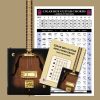
Backing Tracks
Hang tight, I will be uploading backing tracks here soon!
Sheet Music Arrangements (40+)
Cigar Box Guitar Tabs Hub: Free 3- & 4-String Songs →
CBG Sheet Music Page →
Sheet Music Plus (Publisher Page) →
Audio Tracks
Audio tracks for books are available on individual product pages or at brentrobitaille.com/download-audio →
Reference This Learning Path
If you would like to reference this page on your website, in a resource list or in a lesson plan, you may copy and paste the description and link below.
Cigar Box Guitar: The Complete Learning Path — a structured, step-by-step guide to learning 2-string, 3-string and 4-string cigar box guitar, from beginner fundamentals through rhythm, riffs, blues, slide, country, bluegrass, repertoire and advanced performance skills.
Created and maintained by Brent C. Robitaille of Kalymi Music.
Last updated: August 2026