

Guitar Dictionary Category
Guitar Anatomy & Setup
What Is a Guitar Headstock?
The guitar headstock, also called the peghead, is the section at the end of the neck beyond the nut. It normally holds the tuning machines and guides the strings from those machines across the nut toward the fretboard and bridge.
The headstock does not create the notes by itself, but its layout helps control string direction, break angle and access to the tuners. These details influence how smoothly the guitar tunes and how securely the strings remain seated in the nut slots.
Headstock for Beginners
Each tuning machine has a post or roller around which a string is wound. Turning the key changes string tension and therefore pitch. A clip-on guitar tuner is commonly attached to the headstock because it can sense vibrations travelling through the instrument.
When restringing, wind each string neatly down the tuner post without crossing the wraps. The string should travel from the tuner to the nut without rubbing against neighbouring posts or hardware. Too few wraps can allow slipping, while untidy overlapping wraps can make tuning less predictable.
Common Headstock Designs
A three-a-side headstock places three tuners on each edge and is common on acoustic guitars and many electric models. A six-in-line design places all six tuners on one side. Classical guitars often use a slotted headstock with horizontal rollers, while some guitars reverse the usual tuner arrangement for design or string-path reasons.
Headstocks may be angled backward from the neck or continue in a nearly straight line. An angled headstock creates downward pressure across the nut through its geometry. A straighter design may use string trees or staggered tuner posts to maintain enough break angle on selected strings. Neither approach is automatically superior; the complete design and workmanship matter more than the outline alone.
Headstock, Nut and Tuning Stability
Tuning problems are often blamed on the tuning machines when the real cause is elsewhere. A string can bind in a nut slot, catch beneath a string tree, slip because it was wound poorly or move at the bridge. A soft click or ping while tuning commonly indicates that the string is sticking and then releasing suddenly.
Tune gradually and approach the note from below whenever practical. After changing strings, stretch them gently, retune and confirm that each wrap is settling correctly. If the pitch repeatedly jumps, returns sharp after a bend or will not hold despite sound tuning machines, the nut slots and string path should be inspected.
Common Headstock Problems
Loose tuner screws, worn gears, cracked wood and lifting decorative veneers can all require attention. Angled headstocks and headstocks with thin transition areas should be protected from impact. A fall inside an unlatched case can cause serious damage even when the guitar appears protected.
Do not overtighten tuner buttons or mounting hardware. The parts should feel secure, but excessive force can strip screws, crack finishes or damage the machine. If the headstock has been repaired, follow the repair technician’s advice regarding string tension and future maintenance.
Why the Headstock Matters
The headstock is both functional and visually distinctive. Its shape often identifies the maker, but its more important job is to support accurate, stable tuning. A well-designed headstock works with the nut and tuning machines so that the strings move freely, remain seated and return predictably to pitch.
Kalymi Tip
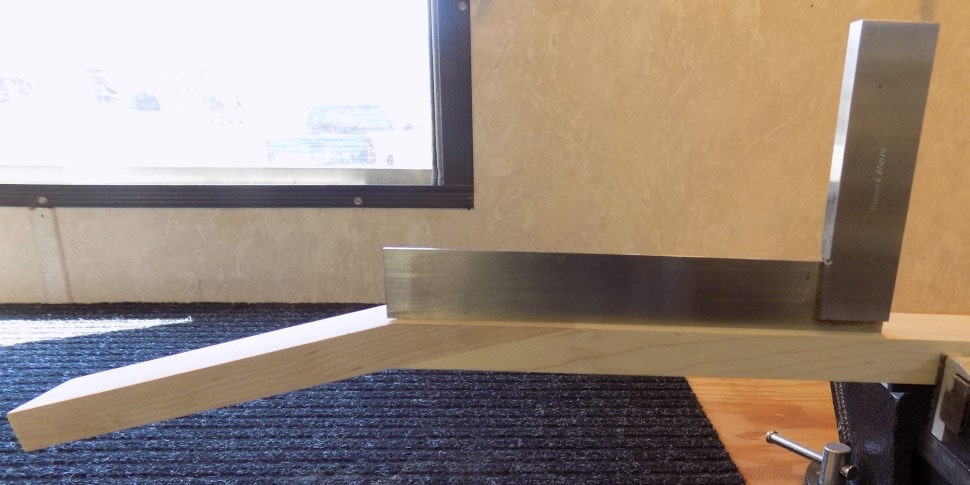
Don Tucker’s cigar box guitar neck-building article shows that a headstock is precision work rather than a decorative piece added at the end. His process includes cutting the headstock angle, gluing the joint, block-sanding the surfaces flat, drilling the tuner holes and blending the neck into the headstock.
As a player, check the complete string path. The strings should leave the nut cleanly, reach the correct tuner without rubbing and wind neatly around the post. If a string pings, jumps in pitch or refuses to return accurately after tuning, examine the nut slot and winding before assuming the tuning machine is defective.
Keep the headstock protected when the guitar is on a stand or inside a case. Many serious neck repairs begin with a simple fall rather than gradual wear.
Related Terms
Learn More
- How I Build a Cigar Box Guitar Neck
- How to Play the Cigar Box Guitar
- Which Instrument Should You Learn First?
- Guitar Learning Path
- Cigar Box Guitar Learning Path
- Kalymi Music Library
Reviewed by
Brent C. Robitaille,
music educator and founder of
Kalymi Music.